For two hundred years, during Japan’s period of sakoku — the closed-country policy that sealed the archipelago from almost all foreign contact — the Dutch were the exception.
From Dejima, a tiny artificial island in Nagasaki harbour, a handful of Dutch traders maintained the only Western link to Japan for over two centuries. What passed between them was not just goods. It was curiosity. A shared appetite for the well-made thing. A mutual respect between two cultures that, despite being separated by the entire width of the Eurasian continent, both happened to believe that craftsmanship was a form of moral seriousness.
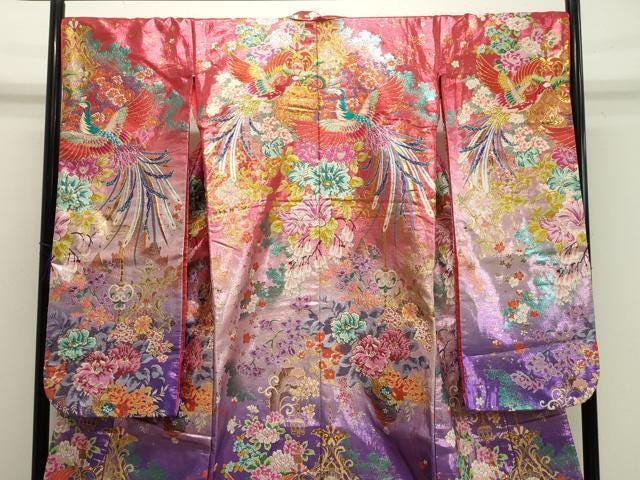
We think about this connection often at Renaras, because we sit at one end of it. We are based in Europe. Our silk comes from Japan. And the thread between those two points — the idea that a Japanese textile can cross the world and arrive in a European home and feel not foreign but familiar, not exotic but essential — has a history that goes back to the seventeenth century.
The Dutch zuinigheid — a deep cultural instinct against waste, a respect for the thing that lasts — is close kin to the Japanese mottainai, the profound discomfort with allowing something of value to go unused. Both cultures share the conviction that a well-made object deserves a long life. Both understand that care is a form of respect.
What we carry
The Renaras collection spans several categories, each rooted in this same principle of rescuing and transforming Japanese heritage textiles for contemporary life.
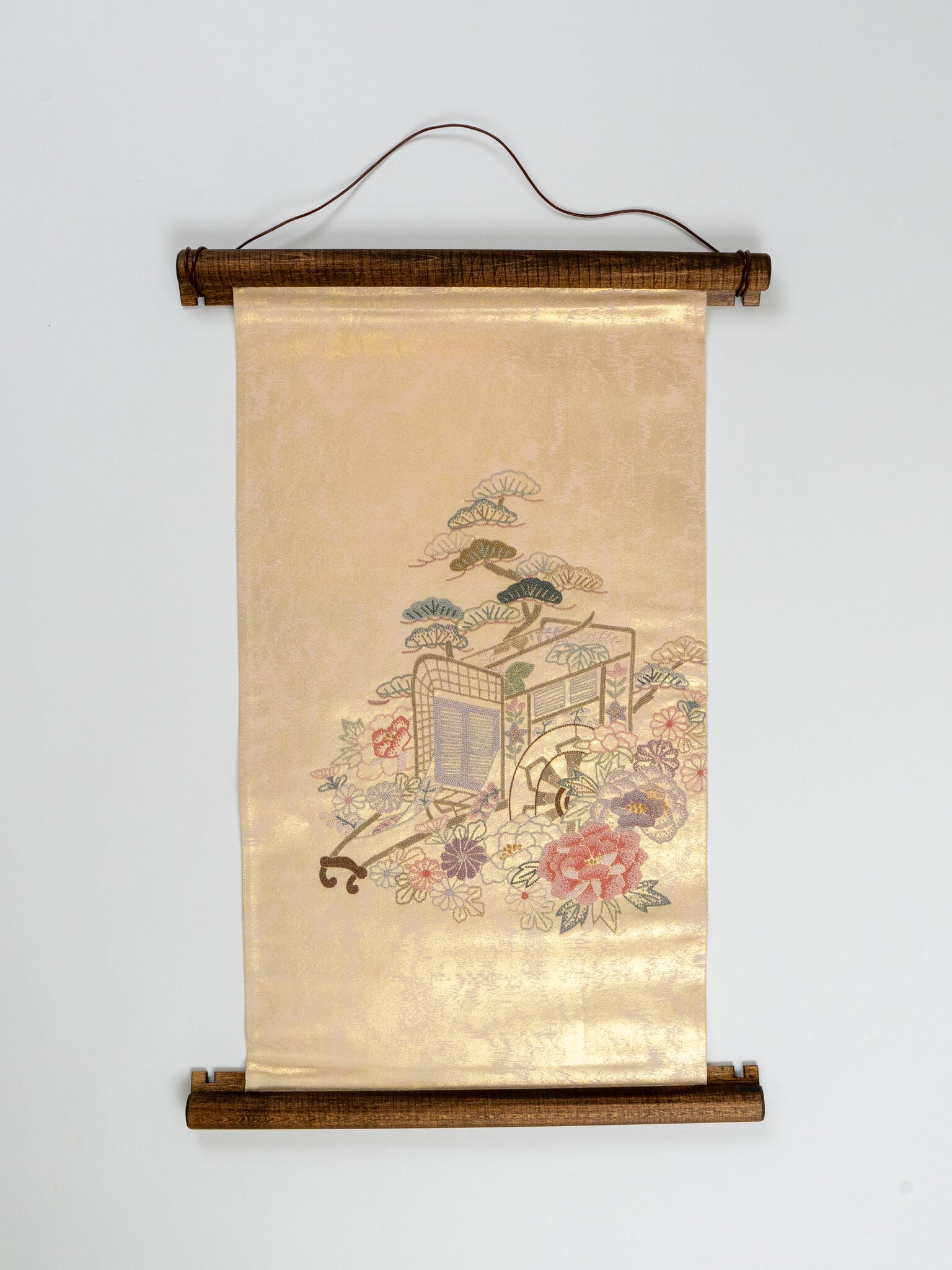
Our wall art and tapestries — the Woven Dynasty collection — give the most formally complex vintage silks the walls they deserve. Ceremonial obi and large-format panels that were designed to be seen, now given a context where they can be seen daily.
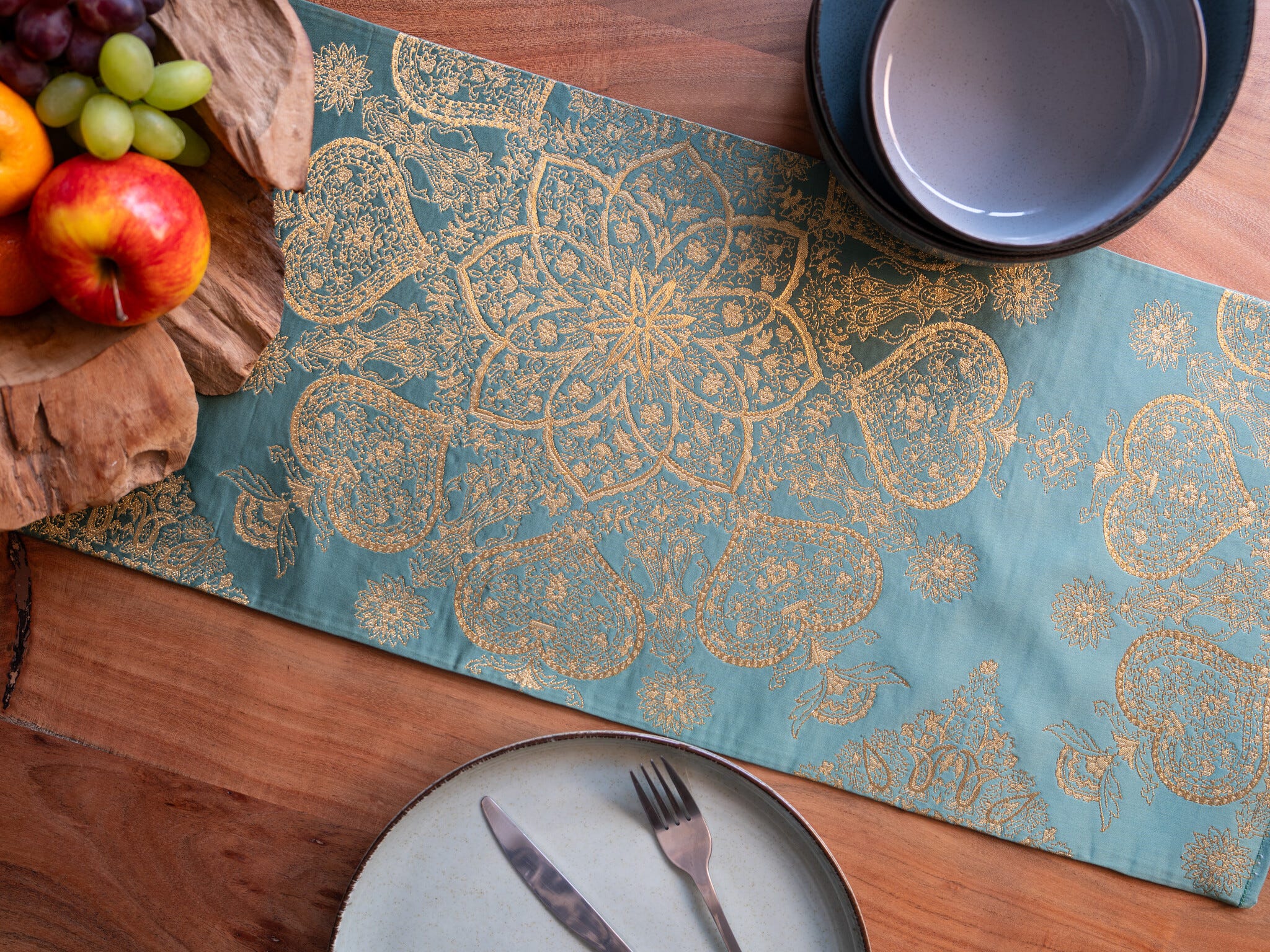
The Table Couture collection — silk table runners and placemats — brings that same quality to the dining table. Each runner is cut from vintage obi or ceremonial silk, hand-finished, and accompanied by provenance documentation.
The silk lumbar pillows transform obi textiles into objects of daily domestic contact — silk that was made for ceremony, now earning its keep on a sofa every evening.
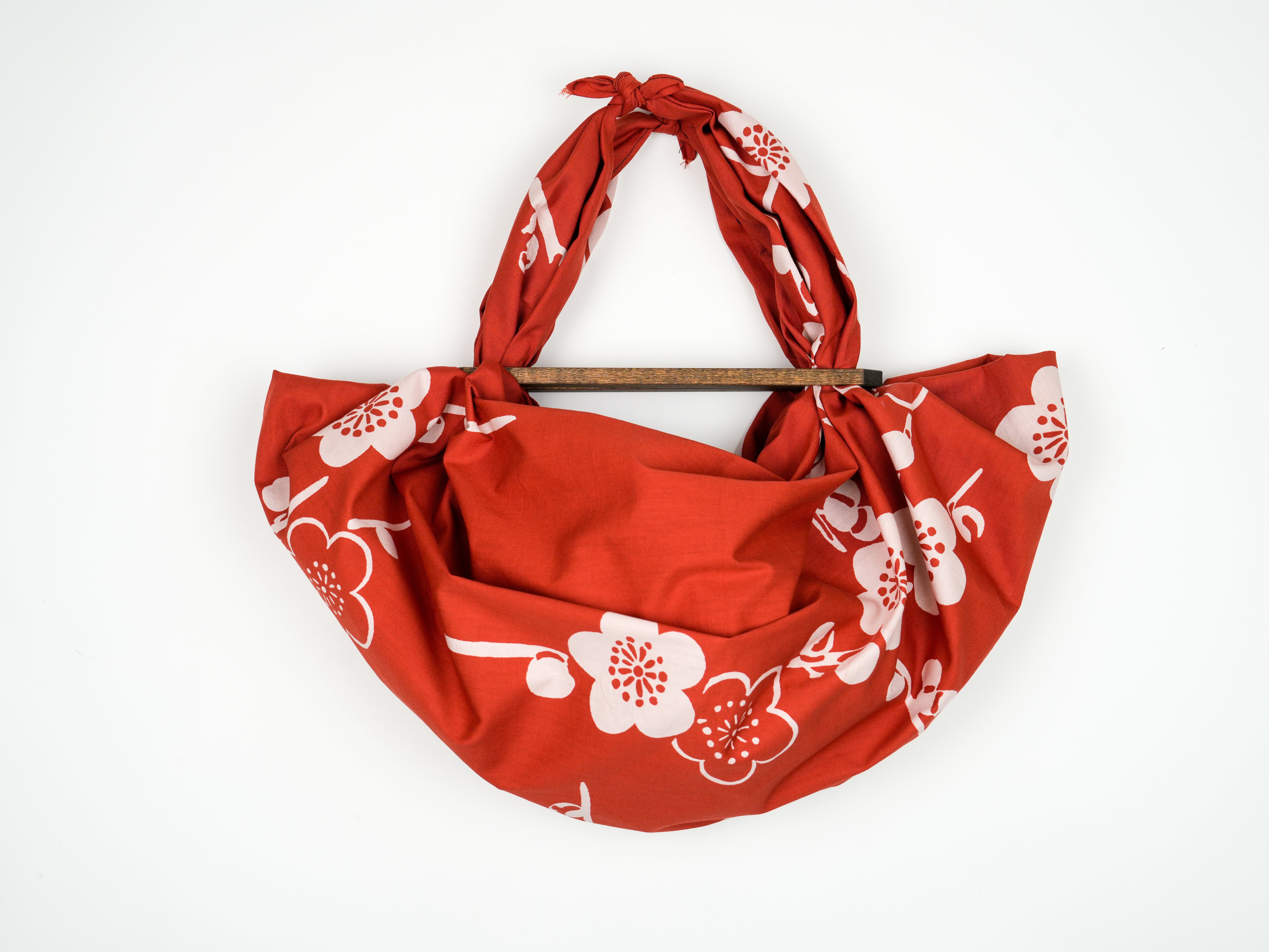

Our furoshiki cloths and patchin handles extend the Japanese wrapping tradition into European daily life — sustainable, beautiful, endlessly adaptable.
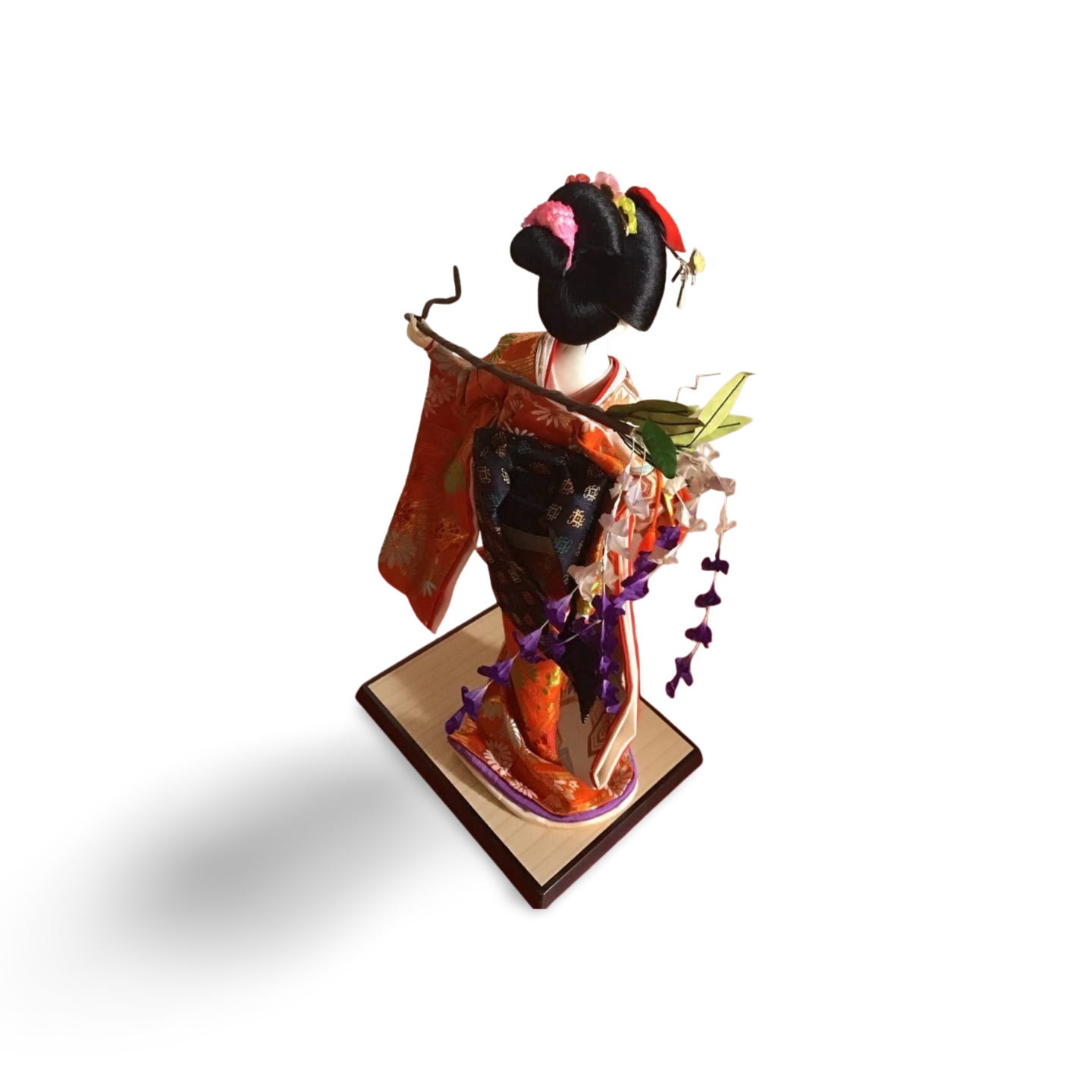
And the Ningyo collection — vintage Japanese dolls and figures — carries a different kind of heritage: the tradition of the protective household figure, crafted to stand watch over the home.
Each piece is one of a kind. Each carries documentation. Each represents a specific rescue — a textile or object that was heading toward obscurity and has been given a second life.
We do not manufacture. We do not reproduce. We find, we authenticate, we transform.
The thread from Dejima is still intact.
Explore the full collection at renaras.com