

Before there were borders, before there were nations, before luxury became a word, there was a thread.
It began, according to legend, nearly five thousand years ago beneath a mulberry tree in ancient China. A silkworm’s cocoon fell into the tea of Empress Leizu. As she lifted it from the cup, a single filament loosened in the warm water and began to unwind — impossibly fine, luminous, and far longer than anyone could have imagined.
She did not let it slip away.
Instead, she followed the thread. In doing so, she uncovered a material that would shape centuries of craft, ceremony, trade, and culture. Silk became more than a fabric. It became a way of carrying knowledge, beauty, and memory across generations.
Every length of silk begins with that same quiet thread.
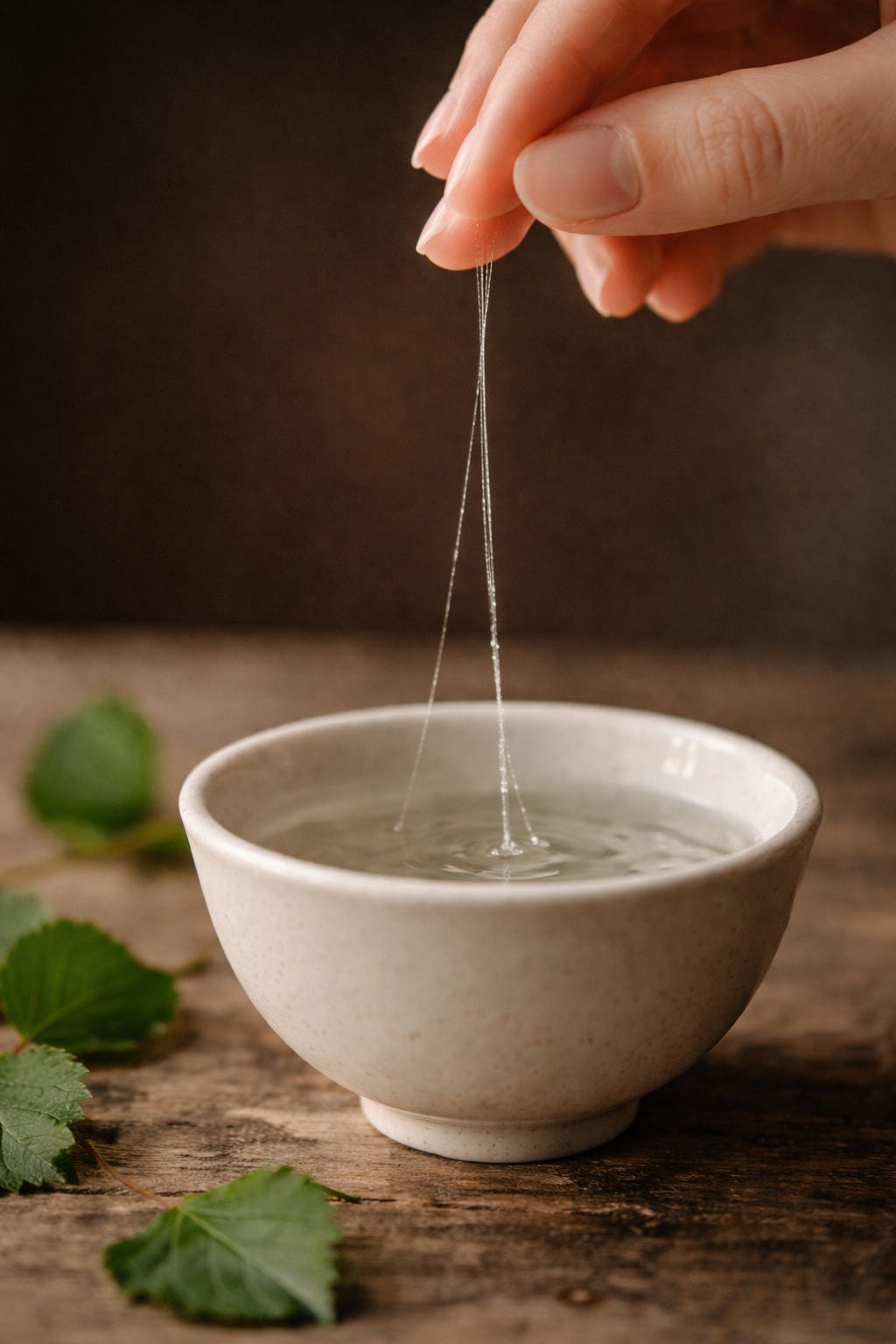
This is how silk begins. Not in a factory or a laboratory, but in a garden, a cup of tea, and the curiosity of someone who noticed something extraordinary.
For centuries, China guarded the knowledge of sericulture with remarkable care. The cultivation of silkworms, the mulberry groves they depended on, and the techniques for producing silk remained closely protected. While the cloth itself travelled beyond China’s borders, the knowledge of how it was made rarely did.
Caravans carried silk west along the trade routes we now call the Silk Road. Across deserts, over mountain passes, through the cities of Samarkand and Bukhara, the fabric moved from one civilisation to another. It reached Baghdad, Constantinople and Rome, where it was treasured as one of the world’s most precious materials. The Romans admired its beauty but had little understanding of its origins. Some even believed silk was harvested from trees in distant lands.
Eventually, the secret travelled as well. According to Byzantine tradition, silkworm eggs were smuggled out of China hidden inside hollow bamboo walking staffs, allowing silk production to spread westward. Whether told as history or legend, the story reflects the extraordinary value once placed on this remarkable fibre.
Silk has always travelled quietly. Long before it crossed continents, it passed from one pair of hands to another — through growers, spinners, dyers and weavers, each adding knowledge that could not simply be written down.
When silk reached Japan, it found a culture that embraced it with extraordinary refinement.
Rather than treating silk as a display of wealth alone, Japanese artisans developed it into a deeply personal art. Some of the most exquisite textiles were never intended for public view. The nagajuban, worn beneath the kimono, often carried colours and patterns known only to the wearer. Beauty was not always meant to be seen; sometimes it was simply meant to be felt.
During the Heian period, members of the imperial court wore layers of silk in carefully composed colour combinations that reflected the changing seasons. Only the narrow edges at the sleeves and hem revealed these subtle arrangements. To those who understood them, they expressed sensitivity, education and an awareness of nature’s passing rhythms.
One Japanese legend tells of a crane rescued from a hunter’s trap.
That evening, a young woman appears at the man’s door and asks for nothing more than a loom and a room where she can work alone. She asks him never to watch her weave.
Each morning she brings him a length of cloth unlike anything he has seen. Unable to resist his curiosity, he finally looks inside. There he finds not a woman, but the crane herself, pulling feathers from her own breast and weaving them into the fabric.
When she realises she has been seen, she leaves, never to return.
The story is not really about a crane. It is about making something beautiful through patience, devotion and sacrifice.
Perhaps that is why silk has always carried more than colour and texture. Every length of cloth holds the work of countless hands — the grower who tended the mulberry trees, the silkworm that spun its cocoon, the dyer who understood colour, the weaver whose skill was learned over decades. Their presence remains in the finished textile, even when their names have long been forgotten.
That quiet inheritance is what we continue to value at Renaras.
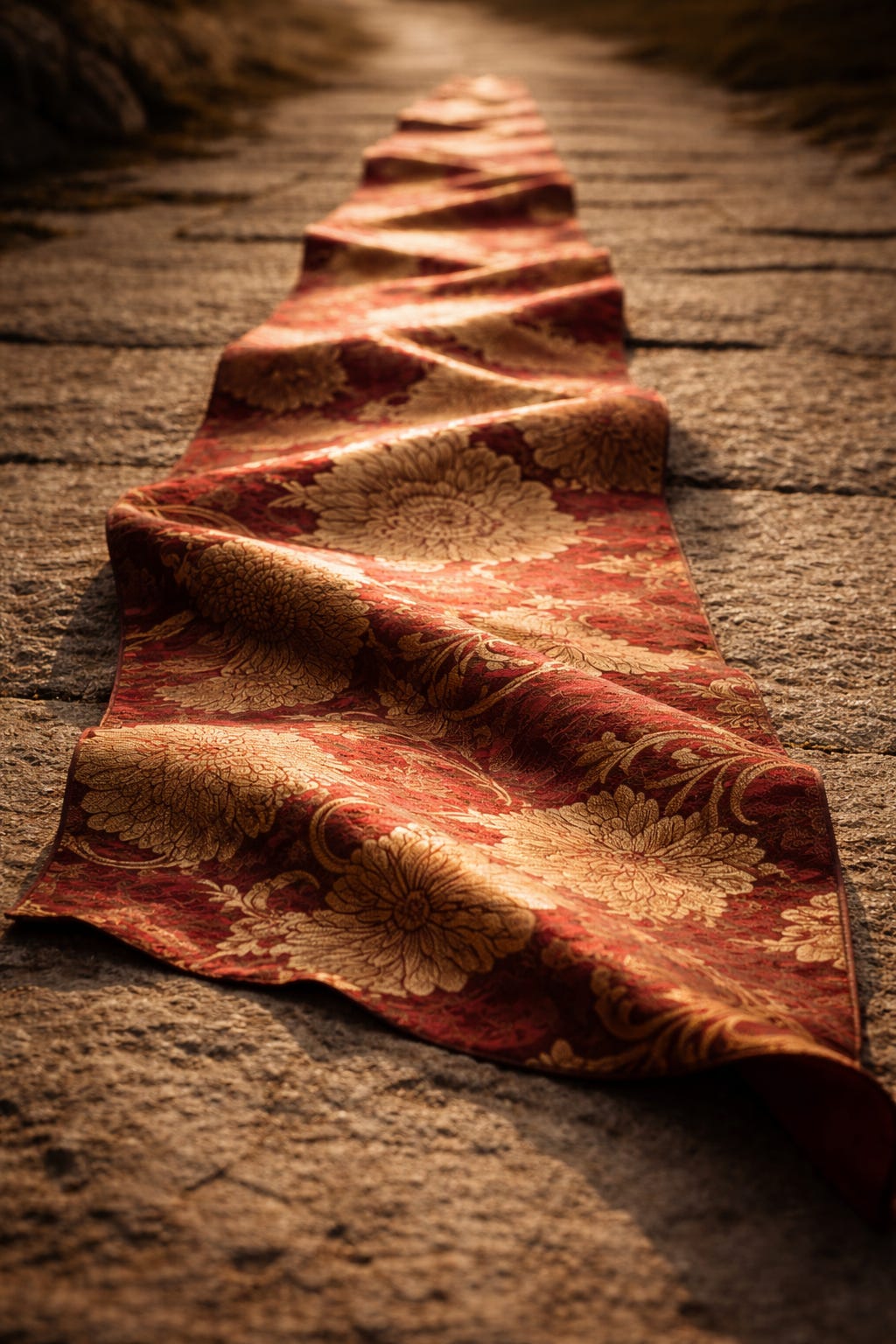
In Europe, silk became a language of power.
It filled the courts of Versailles, the palaces of Venice and the merchant houses of Florence. In Lyon, generations of canuts mastered looms of astonishing complexity, weaving fabrics that travelled across Europe. Their craft brought prosperity to the city, but it also demanded extraordinary skill, and in 1831 the silk weavers rose in protest, reminding history that beauty has always depended on the people who make it.
Across Europe, silk came to represent wealth, ceremony and influence. It clothed monarchs, marked diplomatic occasions and filled grand interiors with colour and light.
Yet long before it became a symbol of status, silk was something much simpler.
It was a fabric valued because it felt unlike anything else against the skin.
Thousands of years have passed since the story of Empress Leizu. The trade routes have shifted, empires have risen and disappeared, and the knowledge of silk has travelled across continents.
Today we are surrounded by materials designed for speed and convenience. Many serve their purpose well, but they are rarely made to last, and even more rarely made to be cherished. We have grown accustomed to replacing rather than repairing, consuming rather than keeping.
Silk asks something different of us.
It rewards attention. It changes with light. It softens through use. It carries the quiet irregularities that remind us it began as something living rather than manufactured.
Perhaps that is why natural materials continue to feel different. They breathe, they respond to the seasons, and they acquire character over time. Their value is not only in how they look, but in how they accompany daily life.
At Renaras, we think often about the journeys held within a single piece of silk.
A cocoon. A loom. A dyer’s workshop. A weaver’s hands. A ceremonial garment worn for a single important day. Decades later, another pair of hands carefully unpicks the fabric, studies its pattern and gives it a new purpose.
The thread has never really been broken.
It has simply continued, carrying memory from one generation to the next.
Perhaps that is what we are really preserving.
Not only silk, but the quiet understanding that some things become more meaningful because they have already lived one life before beginning another.
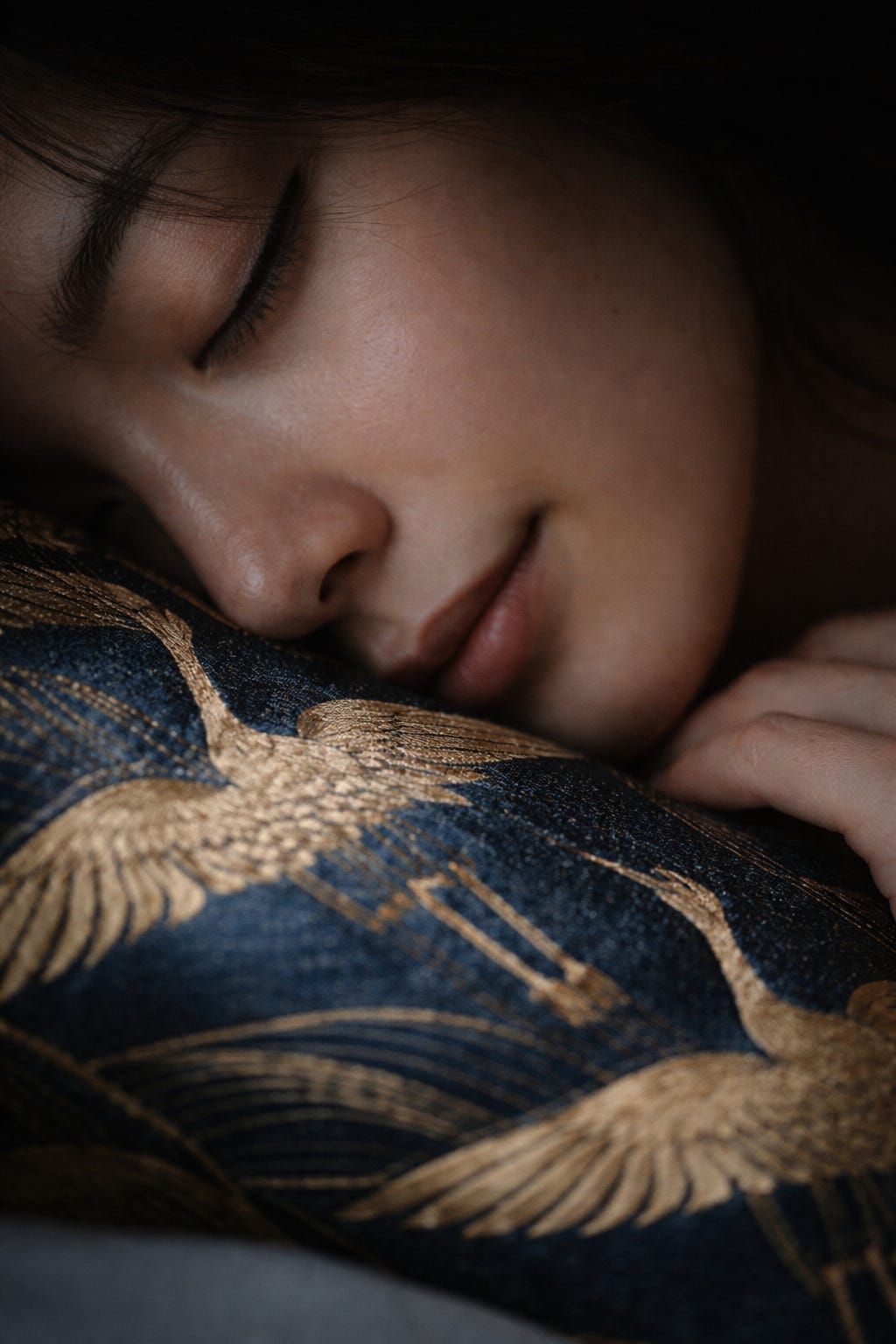
The silk returns to the skin; discover the lumbar pillow collection.
The Silk Journal · Renaras · journal.renaras.com One silk. One story. One piece. Never repeated.