

Minimalist rooms have a specific vulnerability: they can tip from calm into cold. There is a threshold where “uncluttered” becomes “empty”, where the eye, finding nothing to rest on, begins to feel restless rather than at peace.
The solution is rarely more objects. It is pattern: the right kind of pattern, deployed with restraint.
Lattice is one of the oldest motifs in Japanese visual culture. Called koshi, it appears in screens, architecture, garden fencing, and textiles across centuries. It is geometry at its most fundamental: intersecting lines creating a grid. Simple to describe. Remarkably effective at organising visual space.
A lattice textile in a minimal room does something specific: it gives the eye a rhythm. Not a narrative, not an image, not a focal point that demands attention, just a steady, repeating structure that the eye can follow or ignore as it chooses. This is the difference between a room that is empty and a room that is quiet. Quiet has structure underneath it. Emptiness does not.
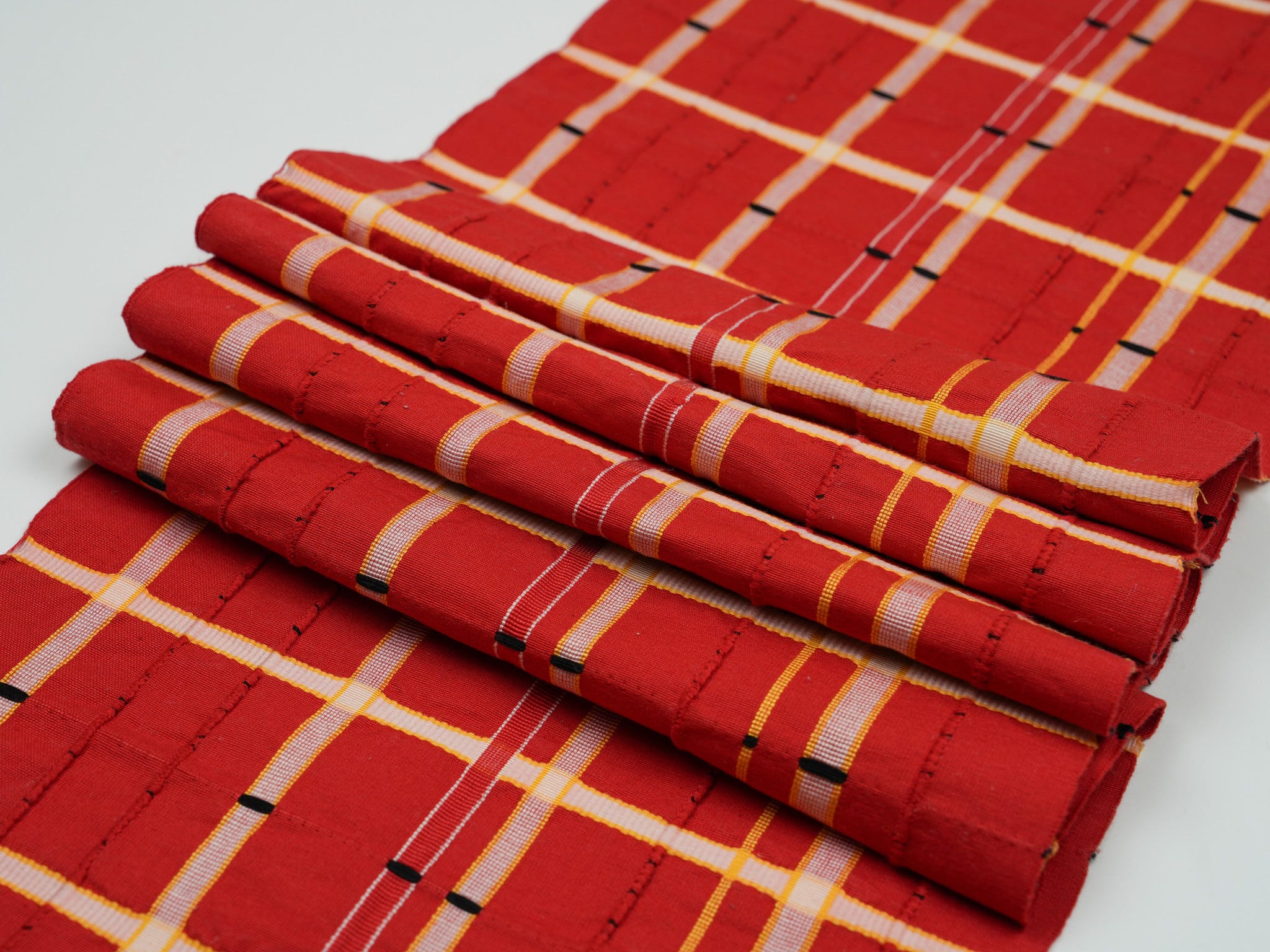
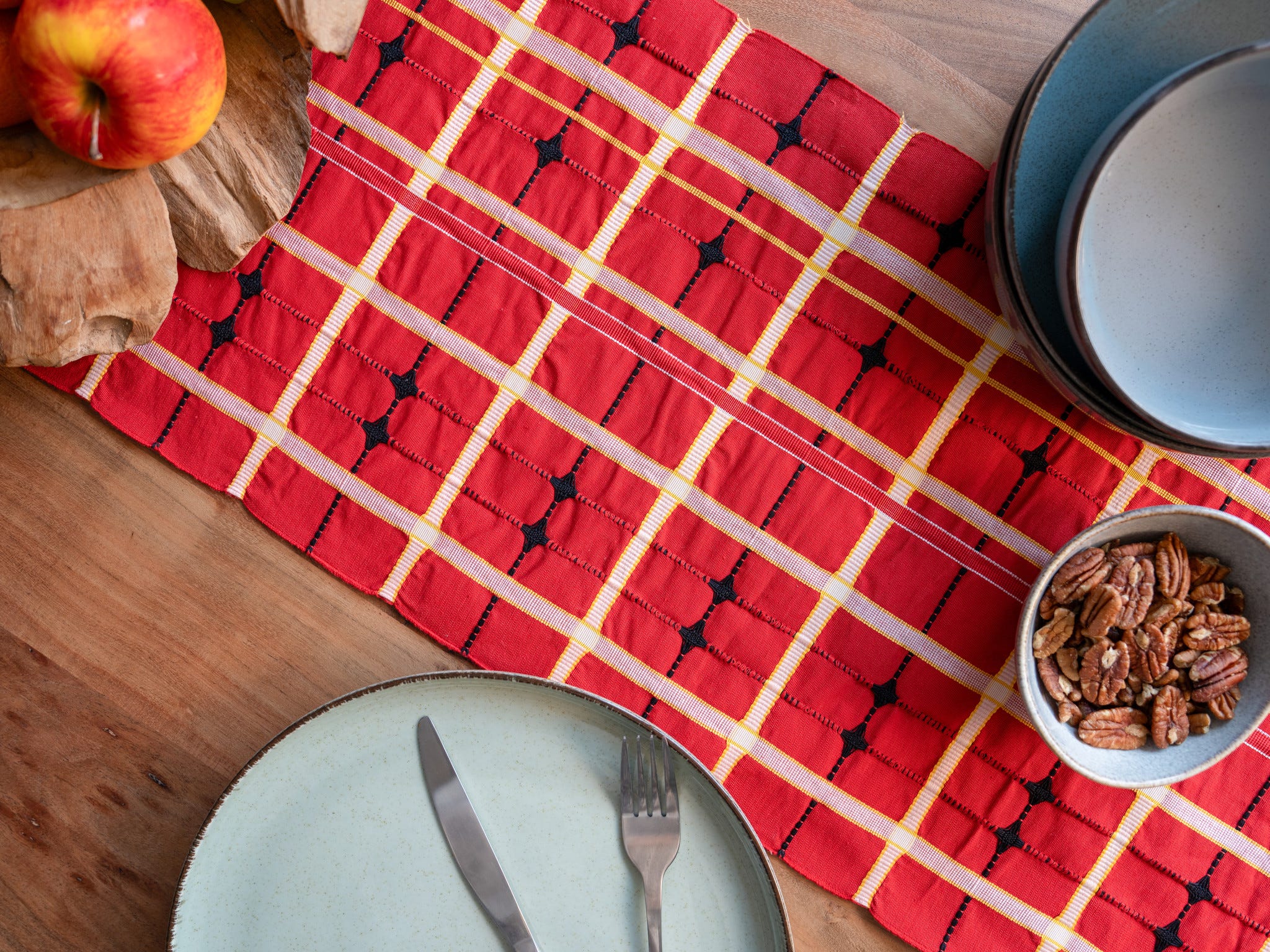
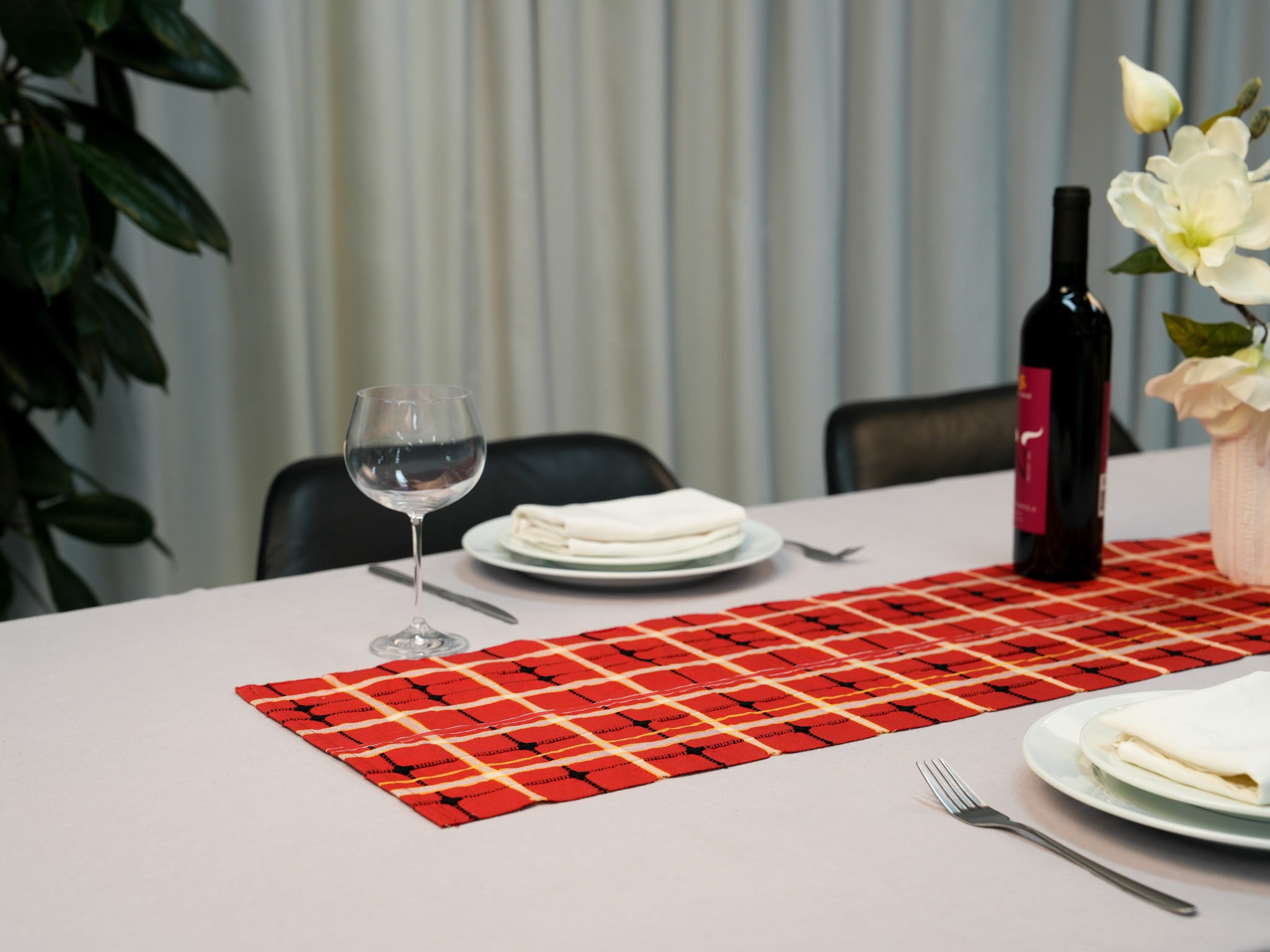
The Koushi Mon Vintage Silk Lattice Runner is our current expression of this idea. Vintage Japanese silk, lattice-woven, calibrated to sit on modern surfaces (wood, stone, concrete) without fighting them. It does not decorate the table. It organises it. It turns a flat surface into a composed one.
For anyone who has built a minimal interior and suspects it needs one more thing but cannot identify what that thing is: it might be structure. Not more stuff. Just a quiet grid underneath the silence, giving it somewhere to land.
Shop the Koushi Mon Vintage Silk Runner
https://renaras.com/products/koushi-mon-vintage-silk-lattice-runner
Living with Structure
True luxury does not demand attention.
It supports the way a space feels.
A structured textile quietly turns a modern interior from precise to welcoming: from minimal to meaningful, from empty to composed.